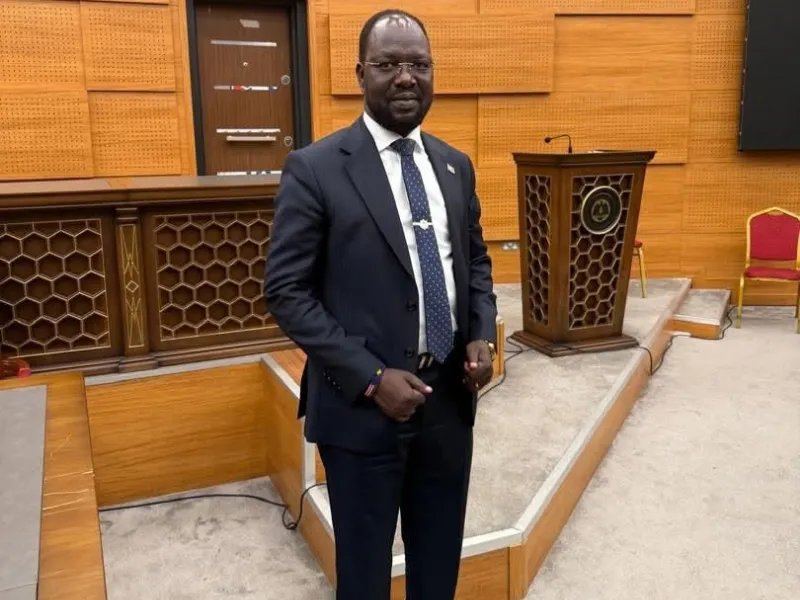
“Action is the solution to our people, not words.”
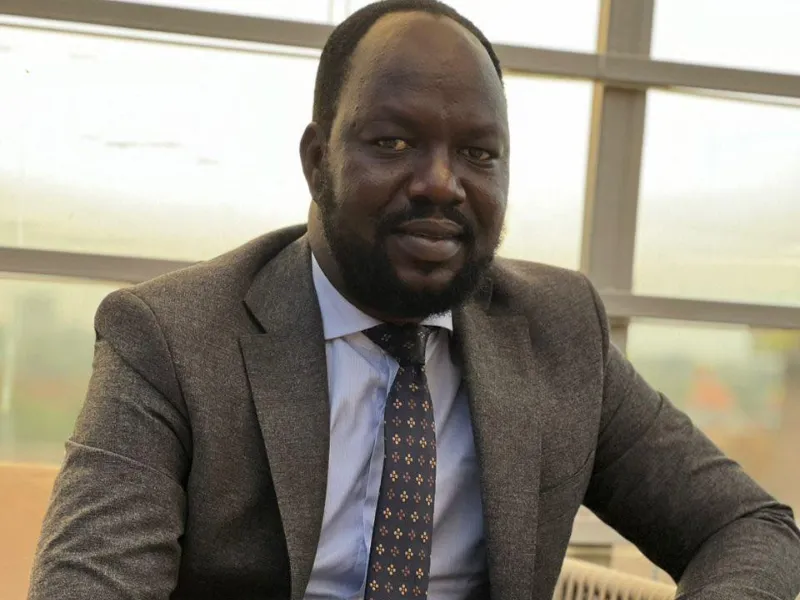
My Journey of Resilience, Education and Service
My name is Dingmoi Ubur A. Lithila. I was born on 15 October 1983 in Lafon, Eastern Equatoria State, South Sudan. I am the son of Primo Ubur Lithila and Periena Aricha Khorwie Nyaliba.
I come from a family of ten siblings, and I am the seventh-born among my siblings.
My father, Primo Ubur Lithila, was a respected community leader, freedom fighter, and public servant whose life was deeply rooted in the struggle for South Sudan’s liberation and the service of his community. His history of courage, sacrifice, and leadership has profoundly shaped my understanding of responsibility, resilience, and service.
The Legacy and History of My Father
My father’s journey of service and sacrifice began in 1969 when he joined Anya-Nya One to fight for the liberation of Southern Sudan. Following the signing of the Addis Ababa Agreement in 1972, he was transferred from the military to the police service, where he underwent police training and served from 1972 to 1982. After completing his service, he retired and returned to his village.
continue to inspire me.
From 1988 to 1998, he served as Chief of Bura Village, providing leadership and guidance to his community. During his tenure, between 1990 and 1992, he attended military drills and training organized by the Civil Authority in Torit, within the SPLM/SPLA-controlled area. This training formed part of the SPLM/A’s military orientation and strategic efforts to strengthen coordination between traditional leadership and the liberation movement.
However, his leadership was not without challenges. The Sudan Armed Forces (SAF) accused him of being a chief sympathetic to the SPLM/A, which eventually forced him to leave his chiefdom.
Beyond his role as chief, my father was also a respected member of Likweri, the Supreme Judgment Council of Bura Village, from 1988 to 2013. In 2014, he assumed responsibility as the head of Likweri, a position he held until his passing on 12 February 2025.
His life remains a powerful testament to courage, commitment, and service. His legacy continues to inspire me and serves as a foundation for my own journey in education, leadership, and public service.
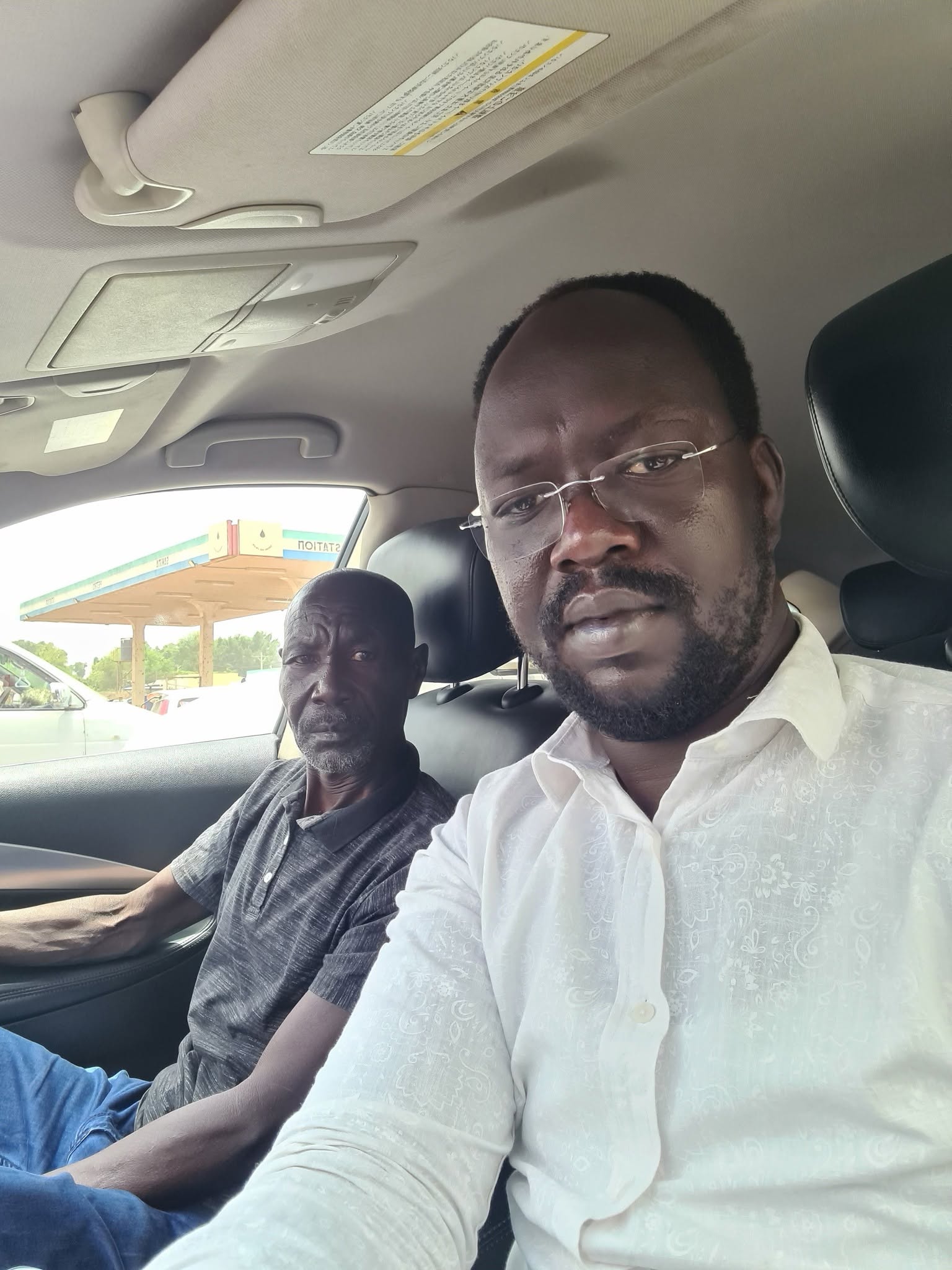
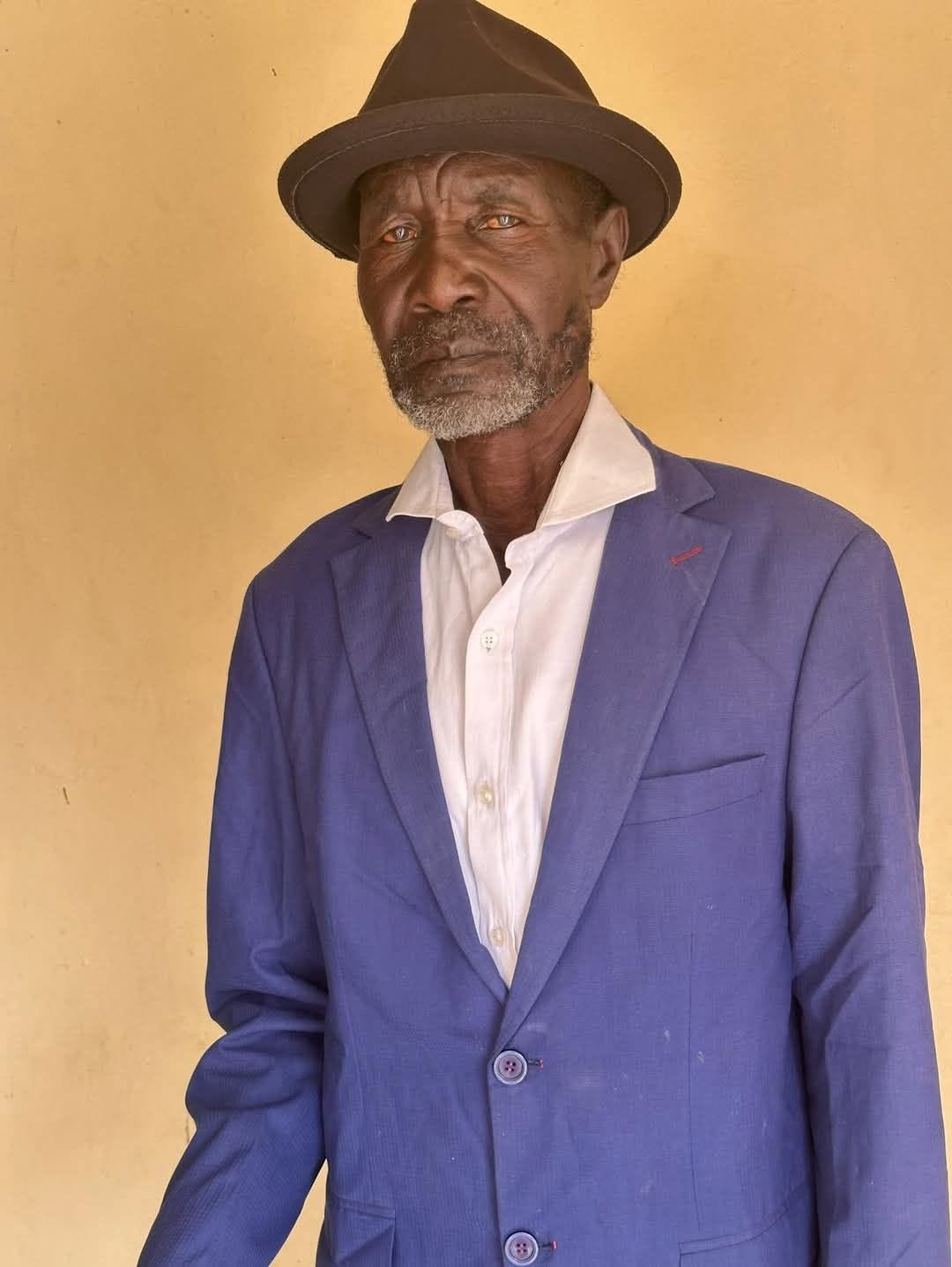
A Story of Resilience
My family has experienced the realities of conflict and displacement. In December 1997, my father was arrested and imprisoned by the SAF at the barracks in Lafon because of his association with the SPLA/M.
When he was facing execution, he escaped from an underground prison with the help of a friend who provided him with a piece of metal, which he used to dig his way out.
His courage and resilience remain an important part of my family’s history and continue to inspire me.
My Education
I began my education in Lafon and later completed my secondary education at Kakuma Refugee Camp in Kenya.
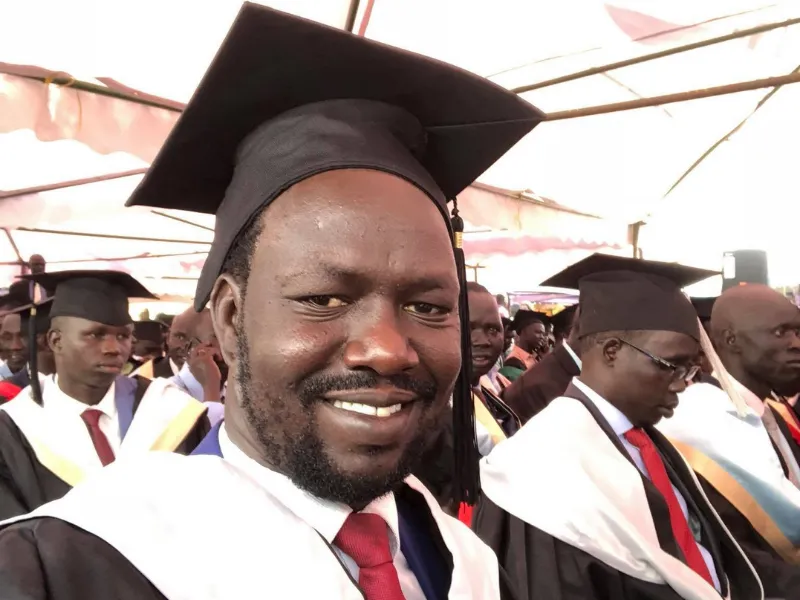
In 2008, I was among the South Sudanese students who received a scholarship from the Government of Southern Sudan. I was admitted to Upper Nile University, where I graduated with a Bachelor of Education Arts, specializing in English/Literature and Geography.
My passion for learning did not end with my first degree. I continued my academic journey and pursued postgraduate studies in:
- Master of Arts in Economic Development and Policy Analysis
- Master of Arts in Security and Strategic Studies
- Master of Educational Planning and Policy from Makerere University
I believe education is more than a personal achievement. It is a powerful tool for creating opportunities, empowering communities and building a better future.
My Leadership Journey
After my graduation, I became actively involved in South Sudanese youth politics and leadership. Through this journey, I have had opportunities to participate in leadership and political training both within South Sudan and internationally.
These experiences have strengthened my belief that leadership must be based on action, ideas, independence, education and health.
My commitment is to serve the people of Pari and Lafon Constituency 02 and to contribute to a future where our communities have greater opportunities and a stronger voice.